
Do Home LED Masks Actually Work for Acne?
Wondering if LED masks work for acne? Learn the science behind LED light therapy from acne specialist Emily Britten in Kent.
Emily Britten
3/9/20263 min read
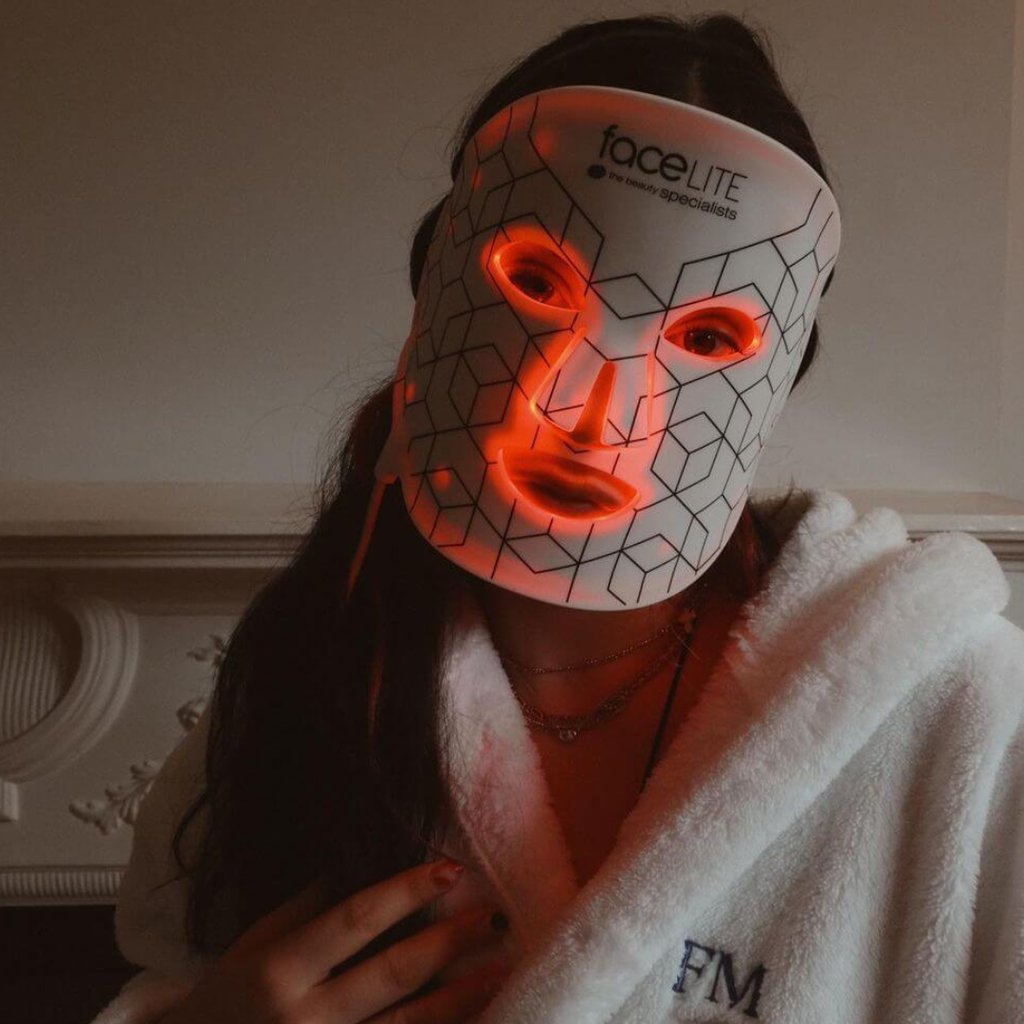
Home LED masks have become one of the most talked about skincare devices in recent years. They are often marketed either as a miracle solution or dismissed as an expensive gimmick.
The truth sits somewhere in between.
When chosen correctly and used appropriately, LED light therapy can be a valuable support treatment for acne prone skin, but it is not a standalone fix.
As a skin specialist with 16 years of experience treating Acne, one of the most common misconceptions I see is people relying on devices before building a proper skincare foundation.
Before investing in a home LED mask, it is important to understand what actually matters, and what is simply marketing.
LED Light Therapy Should Support Your Acne Routine, Not Replace It.
If your current skincare routine does not contain the correct ingredients to treat acne, an LED mask will not compensate for that.
Many people struggling with acne in their 20s and 30s have already tried:
countless skincare products
social media trends
over-the-counter acne treatments
home devices
Yet their skin remains stubbornly congested or inflamed.
LED light therapy can support acne treatment, but it works best when used alongside a structured skincare plan designed for your skin type and condition.
What to Look for When Choosing a Home LED Mask
Not all LED devices are created equal. If you are considering one, these are the most important factors to understand.
1. FDA Approval
FDA approval means the device has been reviewed for safety and effectiveness for its intended use and meets strict manufacturing standards.
This process can take years and requires significant financial investment from the manufacturer. Devices that have achieved this are far more likely to be legitimate and reliable.
2. Blue Light (405–420nm)
Blue light is the wavelength most associated with acne treatment.
It works by targeting acne causing bacteria on the skin's surface, helping to reduce breakouts and inflammation.
However, blue light works superficially, meaning it does not address deeper triggers of acne such as hormonal imbalance, barrier damage, or chronic inflammation.
3. Red Light (620–700nm)
Red light therapy supports:
collagen production
skin repair
reduction of inflammation
For people dealing with post-acne healing or acne scarring, red light can support the skin's recovery process.
These wavelengths penetrate deeper into the skin compared to blue light, making them beneficial for improving overall skin health.
4. Near Infrared Light (750nm+)
Near infrared light penetrates the deepest layers of the skin.
It is particularly beneficial for:
calming inflammation
supporting healing
strengthening compromised skin barriers
This makes it especially useful for clients whose skin has become irritated or sensitised after years of trying different acne treatments.
5. Other Colours
Many home devices promote additional colours such as:
green
purple
yellow
Currently, there is limited scientific evidence supporting meaningful skin benefits from these wavelengths.
In most cases, their inclusion is more marketing driven than science based.
6. True LED Technology
Each wavelength should have its own dedicated LED bulb.
Devices that simply change colour using a single bulb are not delivering true LED therapy at the correct wavelengths, which significantly reduces effectiveness.
7. Clinical Evidence
Look for independent, third-party clinical studies, not just in-house testing.
Clinical evidence is critical when assessing whether a device actually produces measurable skin improvements.
8. Usage Guidelines
Most home LED masks are designed to be used two to three times per week, typically in the evening.
Consistency is far more important than intensity when it comes to LED light therapy.
Always follow the manufacturer's guidelines.
9. Contraindications
LED devices should not be used if you are taking photosensitising medications or have medical conditions that increase sensitivity to light.
If you are unsure, always seek professional guidance before use.
10. Manage Expectations
LED therapy works cumulatively.
Visible improvements usually take longer than a single skin cycle (often several weeks or months).
This is why many people abandon devices too early, believing they are ineffective.
In reality, consistency over time is essential.
Professional LED Treatments vs Home Devices
While home devices can offer supportive benefits, professional LED treatments used in clinic settings are typically far more powerful and targeted.
In clinic environments, LED therapy is rarely used alone. Instead, it is incorporated into a comprehensive acne treatment plan designed to address the underlying causes of breakouts.
At Emily Britten Skin Transformations, LED therapy is often used alongside other advanced treatments to help calm inflammation, support healing, and accelerate skin recovery.
The Bottom Line
Home LED masks can work, but only when:
the device is scientifically sound
the wavelengths are correctly specified
it is used consistently
it supports a well-structured skincare routine
When chosen poorly or relied upon as a magic wand solution for acne, results are often disappointing.
If you are struggling with persistent acne or acne scarring, the most effective approach is always a professional treatment plan tailored specifically to your skin.
If you are looking for an acne specialist in Kent, Transformation journeys are available with Emily at Emily Britten Skin Transformations, where clients receive personalised journeys designed to achieve long term skin results.